

Can a home solar battery be charged from the grid?
Oct 28, 2026
Leave a message
If you’ve ever stared at a dark roof full of solar panels during a rainy week and wondered, “Can a home solar battery be charged from the grid?” you’re not alone. At our home solar battery company, this is one of the most common questions we get from homeowners weighing whether to invest in energy storage. Let’s cut through the confusion, break down the science behind how these batteries work, and explain why grid charging is not just possible—it’s a game-changer for flexible, reliable home energy.
First, let’s start with the basics: what is a home solar battery, and how does it normally charge? Most residential solar setups are “grid-tied,” meaning they connect to your local utility company’s power lines. On sunny days, your panels generate more electricity than your home uses—this is called “net metering,” where excess power flows back to the grid, often earning you credits on your utility bill. A solar battery (like our popular options) stores that extra solar energy for use after the sun goes down, during blackouts, or during peak energy demand when utility rates are higher. That’s the core function, right? But what if you want to charge that battery from the grid, instead of (or in addition to) solar panels?
The short answer is yes—but it depends on two key factors: the type of battery system you have and your utility’s rules. Let’s dive into the science, because this isn’t just a yes/no question; it’s about how the battery’s inverter works, how the grid interacts with your home, and when grid charging makes the most sense.
First, let’s talk about inverters—they’re the heart of the system. Solar panels produce direct current (DC) electricity, while your home appliances and the grid use alternating current (AC). A standard solar inverter converts DC to AC for your home, and for grid-tied systems, it also syncs your home’s energy flow to the utility’s grid frequency to avoid feeding power back unsafely. But most modern home solar batteries have what’s called a “battery inverter” (or a hybrid inverter) that does double duty: it can convert DC from your panels to store in the battery, and it can also convert AC from the grid back to DC to charge the battery.
Wait, so why isn’t every grid-tied battery set up to charge from the grid automatically? It comes down to two big things: utility policies and cost. Some utilities frown on customers drawing power from the grid to charge a battery because it can strain local infrastructure, especially during peak hours when everyone is using air conditioners or heaters. Others have “demand charges” or time-of-use (TOU) rates that make grid charging a money-loser: if you charge the battery when electricity is expensive (say, 20 cents per kWh during afternoon peak) and use stored power when rates are low, that’s backwards. But flip that script: if you charge the battery when rates are low (like 8 cents per kWh at 2 a.m.) and use that stored power during peak hours, that’s called “grid arbitrage,” and it saves you a lot of money. That’s when grid charging makes total sense.
Let’s tie this to real products we offer, because I know homeowners care about tangible options. If you’re looking for a system that’s flexible enough to handle both solar and grid charging, our Rack-Mounted Battery for Home is a top pick. Designed to fit neatly in a garage, basement, or utility closet, it’s compatible with hybrid inverters that support grid charging, so you can program it to charge during off-peak grid hours when rates are lowest. It also works seamlessly with solar panels, so you get the best of both worlds: free solar energy when the sun shines, and cost-effective grid charging when you need extra storage.
Another great option is our Wall-Mounted Battery for Home-H51100WM. This compact, space-saving model is perfect for smaller homes or apartments where floor space is tight, but don’t let its size fool you—it’s powerful enough to handle grid charging and solar integration. The H51100WM’s smart energy management system lets you set custom charging schedules, so you can prioritize either solar or grid power based on what’s cheaper that day. For example, on a cloudy week where your panels barely generate enough power, you can adjust the schedule to charge from the grid to keep your battery full for evenings.
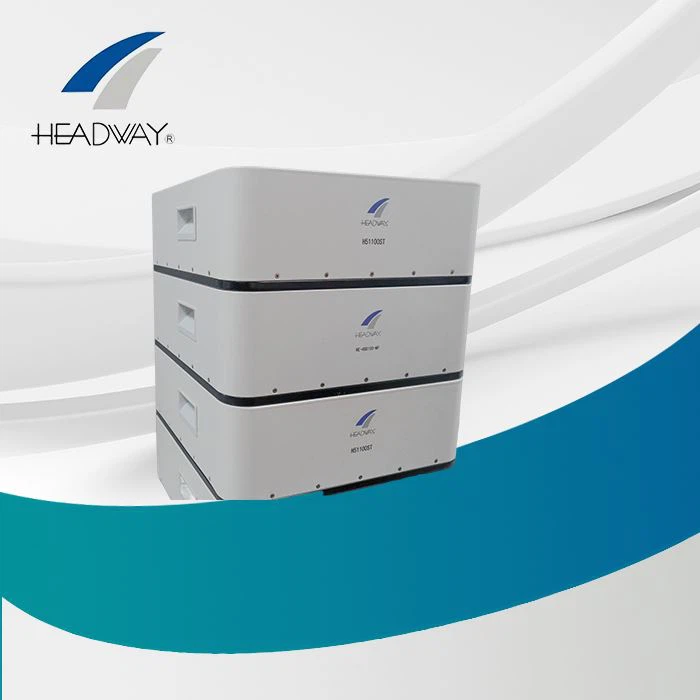
If you want even more flexibility as your home’s energy needs grow, our Stackable Battery for Home is ideal. You can start with a 5 kWh or 10 kWh unit and add more as you install more solar panels or upgrade your appliances (like an electric vehicle charger). Each stackable unit works with hybrid inverters that support bidirectional charging—meaning it can take power from the grid when it’s cheap, store it, and send excess power back to the grid when rates are high. That’s a huge bonus for homeowners who want to maximize their energy savings without being tied strictly to solar generation.
Now, let’s get into the technical details to make sure you understand how this works safely. When you charge a home solar battery from the grid, the system’s inverter acts as a middleman: it takes AC power from the grid, converts it to DC, and sends that DC to the battery’s cells (which are lithium-ion, the same type used in electric vehicles and smartphones). The inverter is programmed to only draw power when the grid is stable, so there’s no risk of damaging the battery or interfering with your home’s electrical system. That’s why it’s critical to work with a licensed electrician to install your system—we provide pre-sales support to make sure your chosen battery (like our models linked above) is compatible with your local grid and inverter setup.
What about backup power? A lot of homeowners want a battery for outages, and the good news is that grid charging doesn’t compromise backup performance. Our Battery Backup for Home Solar System is designed to switch seamlessly to off-grid mode within milliseconds if the power goes out, so your fridge, lights, and medical devices keep running. Even if the battery was charged via the grid before the outage, it will still hold that charge for backup—so you’re not giving up reliability to use grid charging. In fact, for areas with frequent cloud cover or long winter months, grid charging can ensure your battery is always full, even when solar generation is low, so you’re never without backup power when you need it most.

Let’s talk about when grid charging makes sense, and when it doesn’t. It’s a win if your utility offers time-of-use rates (which most do now) and if the cost of grid power during off-peak hours is lower than the value of the solar power you would have used to charge the battery. For example, if your solar panels generate 10 kWh on a sunny Saturday, and you use 6 kWh in your home that day, the excess 4 kWh would normally go back to the grid for a credit. But if you instead program the battery to charge from the grid at 2 a.m. when rates are 8 cents per kWh, and then use the stored battery power during Saturday afternoon peak rates at 20 cents per kWh, that’s a savings of $0.48 (4 kWh x (20 cents - 8 cents))—and that’s per day. Multiply that over a month or a year, and it adds up to hundreds of dollars in savings.
But grid charging isn’t for everyone. If you live in an area with very low electricity rates (like parts of the rural U.S. where rates are under 10 cents per kWh) or your utility doesn’t offer net metering credits, grid charging might not save you money. Also, if you have enough solar panels to cover all your home’s energy needs plus excess, you might not need grid charging at all—you can rely on solar to fully charge your battery, which is even cheaper. That’s why our Domestic Solar and Battery Storage systems are designed to be tailored to your specific home: we work with you to analyze your energy usage, local utility rates, and solar generation potential to recommend whether grid charging is a good fit for your setup.
Wait a second—could grid charging ever be bad for your battery’s lifespan? That’s a common concern, and it’s a valid one. Lithium-ion batteries degrade over time based on how often you charge them, how deep you discharge them, and what voltage you charge them at. The good news is that modern home solar batteries (including all the models we offer) are designed to handle both solar and grid charging safely, with built-in battery management systems (BMS) that prevent overcharging, over-discharging, and other damage. The BMS monitors each cell in the battery pack, adjusts charging rates to keep the battery in optimal condition, and even balances the charge between cells to extend the battery’s overall lifespan. Most of our batteries come with a 10-year warranty, and when grid charging is done properly, it doesn’t reduce that lifespan at all—we’ve tested our H51100WM, rack-mounted, and stackable models with thousands of grid charging cycles, and they perform just as well as when they’re charged from solar.
Let’s also address a common myth: that grid-tied batteries can only be charged from solar. That’s not true—grid charging is a complementary feature, not a replacement for solar. For example, if you install a 10 kWh solar battery, you might generate 30 kWh on a sunny weekend, so you store 10 kWh in the battery, send 20 kWh back to the grid. But if it rains for three days and your panels only generate 5 kWh total, you can charge the remaining 5 kWh from the grid to keep your battery full, so you don’t have to rely on grid power during peak hours or go without backup power if the grid goes out. It’s a flexible system that adapts to your energy needs, not the other way around.
Now, if you’re ready to explore whether a grid-charging home solar battery is right for you, our team is here to help. We’ve helped thousands of homeowners across the country upgrade their energy systems with our reliable, efficient batteries, and we provide end-to-end support from initial assessment to installation to after-sales service. Whether you’re looking for a compact wall-mounted unit for a small home, a flexible stackable system that grows with you, or a robust rack-mounted setup for a large property, we have options designed to meet your needs.
To get started, connect with our team to discuss your specific energy goals, local utility rates, and home size. We can walk you through the pros and cons of grid charging, show you details about our compatible battery models, and help you find the best solution to save money, increase energy independence, and keep your home powered no matter what.
References
- U.S. Department of Energy. (2023). Home Energy Storage: A Guide for Homeowners. Office of Energy Efficiency & Renewable Energy.
- International Energy Agency. (2022). Global EV Outlook 2022: Energy Storage for Residential Applications. IEA Publications.
- North American Electric Reliability Corporation. (2021). Grid-Tied Energy Storage Interconnection Guidelines. NERC Standards.
- Solar Energy Industries Association. (2023). Residential Solar and Storage System Best Practices. SEIA Technical Report.