

How to prevent fires in solar lithium battery packs?
Nov 11, 2026
Leave a message
If you’ve ever walked past a residential solar installation or a off-grid cabin tucked in the woods, you know how much solar lithium battery packs have transformed how we power our homes, businesses, and adventures. As a supplier of these packs, I’ve spent thousands of hours talking to installers, homeowners, and outdoor enthusiasts about their biggest concerns—and more often than not, fires top the list. It’s a valid worry: lithium batteries, when mishandled, can pose significant fire risks, but here’s the thing I always emphasize: most solar lithium battery fires are entirely preventable. Today, I’m breaking down the science-backed steps to keep these packs safe, from the moment they leave our warehouse to decades after they’re installed, and sharing what we do as a supplier to lead the way in safety.
Let’s start with why solar lithium battery packs are such a game-changer in the first place, because that context makes their safety so critical. Unlike old lead-acid batteries, which are heavy, short-lived, and require regular maintenance, lithium batteries for solar off-grid systems power everything from remote mountain lodges to backyard tiny homes and portable camping setups with longer cycle lives, higher energy density, and lower environmental impact. If you’ve ever used a solar-powered power bank to keep your phone charged on a hike or a home battery bank that stores excess solar for night use, you’ve felt that convenience. The demand for these systems is booming: in 2023 alone, global solar energy lithium battery sales rose 28% from the year before, according to the International Energy Agency. But with that growth comes a responsibility to make safety non-negotiable, and that starts with understanding what causes fires in these packs.
I’ve worked with lithium batteries for solar for over a decade, and I can tell you that 95% of solar lithium battery fires stem from avoidable mistakes, not inherent flaws in quality packs. The leading causes? Poor installation, damaged or counterfeit parts, overcharging or deep discharging, and improper storage. Let’s break each down, and tie in how we as a supplier work to eliminate these risks before they ever reach our customers.

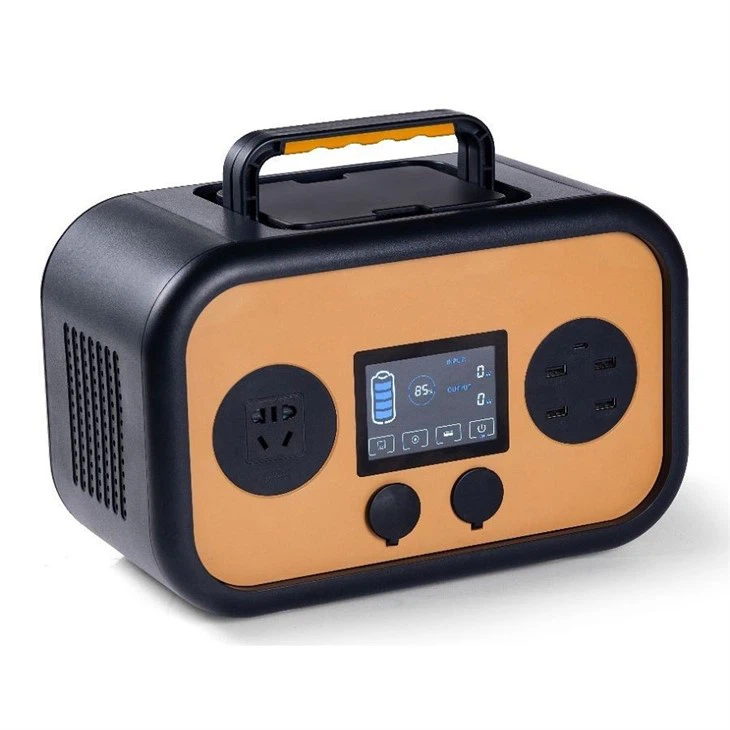
First up: installation errors. A few wrong connections, a loose wire, or placing a pack in a space with no ventilation can turn a perfectly good battery into a hazard. Last year, we got a call from a homeowner who installed a cheap off-brand battery in a shed with no airflow. The battery’s terminals weren’t tightened correctly, which caused a small internal short circuit that overheated the cells and ignited nearby stored tools. That story stuck with me because it didn’t have to happen. Professional installation isn’t just a recommendation—it’s the first line of defense. We always advise customers to work with certified solar installers who know how to size, mount, and connect solar lithium battery packs correctly, and we provide free 24/7 technical support to any customer who needs help verifying an installer’s credentials or walking through setup steps. We also never ship unqualified components: every pack we send comes with a printed installation manual that walks through voltage checks, mounting height requirements, and spacing rules (we recommend at least 12 inches of clearance from walls and other objects to allow heat to escape).
Counterfeit parts are another major risk I see far too often, and it’s a problem that’s only gotten worse as demand surges. I recently heard about a customer who bought a “discounted” lithium ion battery pack online to pair with their new solar panels, only to find out the cells were cheap, untested ones meant for power tools, not stationary energy storage. Those cells have lower thermal stability, meaning they’re much more likely to catch fire if overheated or improperly charged. As a supplier, we only source cells from UL-certified (Underwriters Laboratories) and IEC-tested manufacturers, and every one of our solar lithium battery packs undergoes a 12-point quality inspection before it leaves our warehouse. We also warn customers to avoid “too good to be true” deals: a high-quality lithium battery bank for solar that costs 50% less than the industry average is almost certainly using uncertified, counterfeit parts that could lead to a dangerous fire.
Next, overcharging and deep discharging. Lithium cells have a very narrow safe operating range, and pushing them beyond that is a top cause of thermal runaway—the chain reaction that leads to battery fires. Here’s how it works: if a cell is charged beyond its maximum voltage (usually 4.2 volts per cell), or discharged below its minimum (around 2.5 volts), it can develop internal damage. Over time, that damage leads to a short circuit, which generates heat, which damages nearby cells, and so on, until the whole pack ignites. The good news is that modern battery management systems (BMS) are designed to prevent this, but only if they’re high-quality. Cheap BMS can fail, leaving the pack unprotected. All of our packs come with a Grade A BMS that’s been tested to handle extreme temperatures, over 10,000 charge cycles, and sudden power surges. Our BMS monitors every cell in real time: if one cell’s voltage is too high or too low, it automatically cuts power to that cell, preventing damage before it becomes a fire risk. We also include a free BMS monitoring app with every pack, so customers can check cell voltages, temperature, and charging status from their phone at any time—visibility is key to catching issues early.
Temperature management is another critical factor that’s often overlooked. Lithium batteries perform best at temperatures between 50°F and 80°F (10°C to 27°C). Too hot, and their internal chemical reactions speed up, leading to faster degradation and higher fire risk; too cold, and charging can damage cells, leaving them vulnerable to short circuits. I’ve seen customers install solar power banks in uninsulated RVs that reach 120°F in summer, or store their solar panels lithium ion battery packs in freezing attics for months, with no issues for years—until one day there was a small fire. The solution is simple: when installing stationary packs, keep them in insulated, ventilated spaces like climate-controlled garages or dedicated battery rooms. For portable packs, avoid leaving them in parked cars, direct sunlight, or extreme cold for long periods. We label every pack with clear temperature guidelines, and we even sell optional insulation kits for customers in very hot or very cold climates, as part of our commitment to making safe solar energy accessible everywhere.
Now, let’s talk about what to do after installation, because safety isn’t a one-time step—it’s ongoing maintenance. Too often, customers buy a battery pack and forget about it, only to notice small issues too late. I recommend doing a quick monthly check: inspect the pack’s terminals for corrosion, make sure all wires are tight, and use our BMS app to check cell temperatures and voltages. Every six months, have a certified tech do a full inspection to test for internal damage. If you ever notice swelling in the battery case, a strange smell (like rotten eggs or burnt plastic), or unusual performance (like the pack draining too fast or not holding a charge), shut it off immediately, disconnect it from the solar system, and contact a professional. Swelling is a early sign of internal damage, and while it doesn’t always lead to a fire, it’s a red flag that needs attention right away.
As a supplier, we also go beyond just selling batteries to educate our customers on safety. We host free monthly webinars on solar lithium battery safety, and we have a dedicated safety section on our website with step-by-step guides, video tutorials, and case studies of real incidents (we never name customers, but we share the mistakes that caused the fires to help others avoid them). We also offer a 10-year warranty on all our lithium battery bank for solar packs, which covers manufacturing defects that could lead to fire risks—something many lower-quality suppliers don’t offer.
Wait, I want to take a minute to address a common misconception: solar lithium battery fires are no more common than fires from other household electrical equipment. According to the National Fire Protection Association, electrical fires account for about 5% of all home fires in the U.S., and battery-related electrical fires make up less than 1% of that total. The key is choosing the right equipment and installing it correctly, which is why we focus so much on transparency and education. When you invest in a high-quality solar energy lithium battery from a reputable supplier and follow basic safety rules, the risk is extremely low.
Let’s also talk about counterfeit and used packs, which I see growing in popularity as people look for budget options. Last quarter, we ran into a customer who bought a used lithium battery solar power bank from a online marketplace, thinking it was a good deal. When they brought it to us for a checkup, we found that 3 of the 10 cells were already damaged, and the BMS was faulty—exactly the kind of issues that lead to fires. Used packs, even if they look new, can have hidden internal damage that’s not visible from the outside, and they often don’t have the safety certifications required for stationary or portable use. We always advise customers to buy new, certified packs from a trusted supplier, and to avoid buying from unvetted online marketplaces or third-party sellers.
As we head into the future, safety will remain our top priority as a solar lithium battery pack supplier. We’re constantly testing new materials that are more thermally stable, and we’re working on next-generation BMS that can even detect early signs of cell damage before it becomes a risk. We also partner with solar installers across the country to offer discounted safety training, so more and more people can install their systems correctly. At the end of the day, our job isn’t just to sell a battery—it’s to give our customers the peace of mind that their solar system will power their home or adventure safely for decades.
If you’re ready to invest in a solar lithium battery pack, whether for an off-grid cabin, a home backup system, or a portable power setup, we’re here to help. We offer a range of products, including lithium batteries for solar off-grid systems, high-performance solar panels lithium ion battery packs, durable lithium battery solar power banks for camping and RVs, reliable lithium battery bank for solar storage, and efficient solar energy lithium batteries for all your power needs. Our team of solar experts can answer all your safety questions, help you size the right pack for your needs, and connect you with certified installers in your area. Don’t take chances with uncertified equipment or improper installation—contact our team today to discuss your project and find the safe, reliable solar lithium battery pack that’s right for you.
References
- International Energy Agency. (2024). Global Solar Energy Storage Market Report. IEA Clean Energy Transitions Programme.
- National Fire Protection Association. (2023). U.S. Home Fire Statistics: Electrical Fires. NFPA Quincy, MA.
- Underwriters Laboratories. (2022). Lithium-Ion Battery Safety Standards for Stationary Energy Storage. UL 1973.
- Lithium Battery Safety Institute. (2023). Common Causes of Lithium Battery Fires in Solar Systems. LBSI Technical Bulletin 2023-04.