

What is the state - of - charge indicator for solar and lithium batteries?
Oct 13, 2026
Leave a message
As a supplier of Solar And Lithium Batteries, I've witnessed firsthand the growing demand for reliable energy storage solutions. Solar and lithium batteries are at the forefront of this revolution, offering efficient and sustainable power storage for a wide range of applications. One crucial aspect of these batteries is the state-of-charge (SoC) indicator, which plays a vital role in ensuring optimal performance and longevity. In this blog post, we'll explore what the state-of-charge indicator is, how it works, and why it's essential for solar and lithium batteries.
Understanding the State-of-Charge Indicator
The state-of-charge indicator is a measure of the remaining energy in a battery, expressed as a percentage of its full capacity. It provides users with real-time information about the battery's charge level, allowing them to make informed decisions about energy usage and recharging. For solar and lithium batteries, the SoC indicator is particularly important because it helps maximize the efficiency of the energy storage system and prevents overcharging or deep discharging, which can damage the battery.
There are several methods for measuring the state of charge of a battery, each with its own advantages and limitations. The most common methods include:
- Voltage-based measurement: This method relies on the relationship between the battery voltage and its state of charge. As the battery discharges, its voltage decreases, and as it charges, the voltage increases. By measuring the battery voltage, it's possible to estimate the state of charge. However, this method is not very accurate, especially for lithium batteries, which have a relatively flat voltage profile over a wide range of states of charge.
- Coulomb counting: This method measures the amount of charge flowing in and out of the battery over time. By integrating the current flowing into the battery during charging and subtracting the current flowing out during discharging, it's possible to calculate the state of charge. Coulomb counting is more accurate than voltage-based measurement, but it requires accurate current sensors and can be affected by factors such as temperature and battery aging.
- Impedance spectroscopy: This method measures the electrical impedance of the battery at different frequencies. The impedance of the battery changes with its state of charge, allowing for an accurate estimation of the SoC. Impedance spectroscopy is a relatively new method and is still being developed, but it shows great promise for accurate state-of-charge measurement.
Importance of the State-of-Charge Indicator for Solar and Lithium Batteries
The state-of-charge indicator is essential for solar and lithium batteries for several reasons:
- Optimizing energy usage: By knowing the state of charge of the battery, users can make informed decisions about when to use stored energy and when to rely on the solar panels or the grid. This helps maximize the efficiency of the energy storage system and reduces the overall energy cost.
- Preventing overcharging and deep discharging: Overcharging and deep discharging can damage the battery and reduce its lifespan. The state-of-charge indicator helps prevent these issues by providing a clear indication of when the battery is fully charged or nearly depleted, allowing users to take appropriate action.
- Ensuring battery safety: Lithium batteries are known for their high energy density and potential safety risks. The state-of-charge indicator helps ensure battery safety by providing real-time information about the battery's charge level, allowing users to monitor the battery's condition and take necessary precautions.
- Extending battery lifespan: By preventing overcharging and deep discharging, the state-of-charge indicator helps extend the lifespan of the battery. This reduces the need for frequent battery replacements and saves money in the long run.
State-of-Charge Indicators in Solar and Lithium Battery Products
As a supplier of Solar And Lithium Batteries, we offer a range of products with advanced state-of-charge indicators. Our Solar Lithium Battery Pack is equipped with a built-in state-of-charge indicator that provides accurate and real-time information about the battery's charge level. The indicator is easy to read and allows users to monitor the battery's condition at a glance.
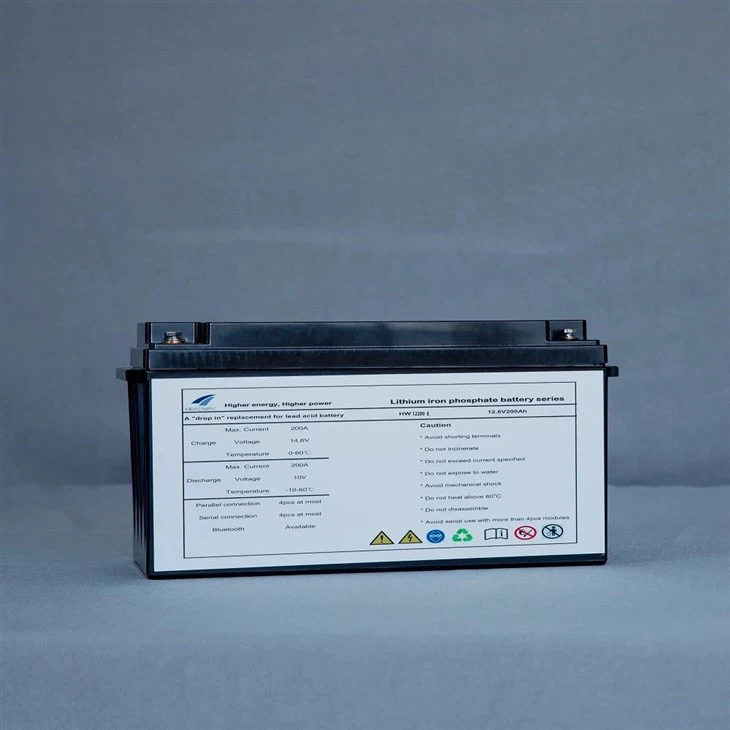

Our Lithium Battery Solar Power Bank also features a state-of-charge indicator, which is particularly useful for outdoor enthusiasts and travelers. The indicator shows the remaining charge in the power bank, allowing users to plan their energy usage and recharge the power bank when necessary.
In addition, our 6 3.2 Volt Lithium Ion Solar Battery and Solar Energy Lithium Battery are designed with state-of-charge indicators to ensure optimal performance and longevity. These indicators help users monitor the battery's charge level and take appropriate action to prevent overcharging or deep discharging.
Conclusion
The state-of-charge indicator is an essential component of solar and lithium batteries, providing users with real-time information about the battery's charge level and helping to optimize energy usage, prevent overcharging and deep discharging, ensure battery safety, and extend battery lifespan. As a supplier of Solar And Lithium Batteries, we are committed to providing high-quality products with advanced state-of-charge indicators to meet the needs of our customers.
If you're interested in learning more about our solar and lithium battery products or have any questions about state-of-charge indicators, please don't hesitate to contact us. We'd be happy to discuss your specific requirements and help you find the right energy storage solution for your needs.
References
- Linden, D., & Reddy, T. B. (2002). Handbook of batteries. McGraw-Hill.
- Tarascon, J. M., & Armand, M. (2001). Issues and challenges facing rechargeable lithium batteries. Nature, 414(6861), 359-367.
- Zhang, J. G. (2006). A review on the key issues for lithium-ion battery management in electric vehicles. Journal of Power Sources, 162(2), 607-619.