

What is the minimum operating temperature of solar and lithium batteries?
Sep 29, 2026
Leave a message
Hey there! As a supplier of Solar And Lithium Batteries, I often get asked about the minimum operating temperature of solar and lithium batteries. It's a crucial question, especially for those looking to use these batteries in various environments. So, let's dive into it.
Understanding Solar Batteries and Their Temperature Tolerance
Solar batteries are designed to store the energy harnessed from the sun. They play a vital role in solar power systems, ensuring that you have access to electricity even when the sun isn't shining. But like any other technology, they have their limits, and temperature is one of the key factors that can affect their performance.
The minimum operating temperature of solar batteries can vary depending on the type of battery. Generally, most lead - acid solar batteries, which were quite common in the past, can operate at temperatures as low as -20°C (-4°F). However, their performance starts to degrade significantly as the temperature drops. At lower temperatures, the chemical reactions inside the battery slow down, reducing the battery's capacity and its ability to deliver power efficiently.
On the other hand, lithium - ion solar batteries, which are becoming increasingly popular, have a better temperature tolerance. Most lithium - ion solar batteries can operate at temperatures as low as -20°C to -30°C (-4°F to -22°F). But again, just like lead - acid batteries, their performance will be affected. At extremely low temperatures, the internal resistance of lithium - ion batteries increases, which means that it takes more energy to charge them, and they may not be able to discharge as much power as they can at normal temperatures.
Lithium Batteries: A Closer Look
Lithium batteries are a game - changer in the energy storage industry. They offer high energy density, long lifespan, and low self - discharge rates. But when it comes to temperature, we need to be a bit more careful.
The Solar Rechargeable Lithium Batteries we supply are engineered to withstand a wide range of temperatures. However, the minimum temperature at which they can operate effectively is important. You see, lithium ions move around inside the battery during charging and discharging. At low temperatures, these ions move more slowly, and if it gets too cold, they might even start to plate on the anode, which can damage the battery over time.
Our Lithium Battery Solar Power Bank is a great example. It's designed for portability and on - the - go power, so it needs to work in different environments. It can handle temperatures down to around -20°C, but if you want to get the most out of it, it's better to keep it in a warmer place.
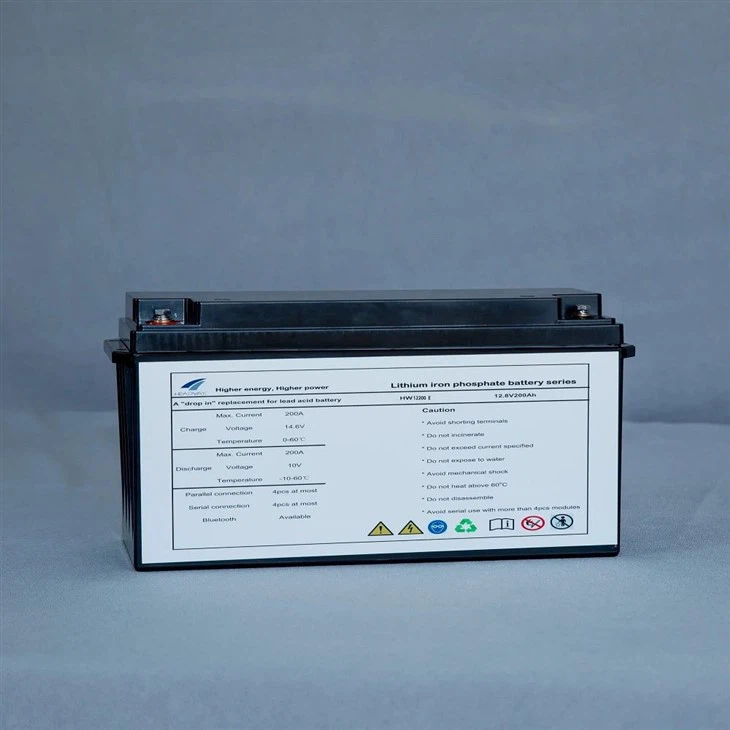

The Impact of Low Temperatures on Battery Capacity
Let's talk about how low temperatures actually affect the capacity of solar and lithium batteries. When the temperature drops, the available capacity of the battery decreases. For example, a 36 Volt 10 Ah Lithium Battery that has a rated capacity of 10 Ah at 25°C (77°F) might only have 70 - 80% of that capacity at -10°C (14°F). This means that you'll get less power out of the battery, and it might not last as long between charges.
The charging process is also affected. At low temperatures, the battery charger needs to be more cautious. If you try to charge a lithium battery too quickly at a very low temperature, it can cause lithium plating, which is bad for the battery's health and can reduce its lifespan. So, in cold environments, the charging current might need to be reduced, which means it will take longer to charge the battery.
How to Mitigate the Effects of Low Temperatures
If you're planning to use solar and lithium batteries in cold climates, there are a few things you can do to mitigate the effects of low temperatures. First, you can insulate the batteries. This helps to keep them warmer and can improve their performance. You can use special battery insulation materials or even simple things like blankets in some cases.
Another option is to use a battery heater. A battery heater can keep the battery at a more optimal temperature, especially during charging. This ensures that the battery can charge and discharge more efficiently, even in cold weather.
Our Solar Energy Lithium Battery Solutions
At our company, we're committed to providing high - quality solar and lithium batteries that can perform well in various conditions. Our Solar Energy Lithium Battery is designed with advanced technology to handle low temperatures better than many other batteries on the market. We've done extensive testing to ensure that it can still deliver reliable power even in cold environments.
We understand that different customers have different needs. Whether you're looking for a small Lithium Battery Solar Power Bank for your outdoor adventures or a large 36 Volt 10 Ah Lithium Battery for your off - grid solar system, we've got you covered.
Let's Talk Business!
If you're in the market for solar and lithium batteries, we'd love to have a chat with you. Whether you have questions about the minimum operating temperature, battery capacity, or any other aspect of our products, don't hesitate to reach out. We're always happy to help you find the right battery solution for your needs.
We believe in providing top - notch customer service and high - quality products. So, if you're interested in purchasing our batteries, we're here to guide you through the process. Just drop us a line, and we'll get back to you as soon as possible.
References
- Linden, D., & Reddy, T. B. (Eds.). (2002). Handbook of Batteries. McGraw - Hill.
- Venkatesan, S. (2018). Lithium - Ion Batteries: Science and Technologies. Springer.